
IPTV wins the iptv vs cable argument for most people in 2026 — lower cost, more channels, and no technician visit required. Cable still has a place, but that place is getting smaller every year.
Table of Contents
This guide breaks down exactly what separates the two: pricing, channel selection, sports coverage, picture quality, and reliability. By the end, you’ll know which one actually fits your household and your budget. We’ll also show you what a modern IPTV subscription looks like in practice, so you’re comparing real options, not vague promises.
How Cable TV and IPTV Actually Work: A Plain-English Breakdown
Cable uses physical infrastructure — coaxial or fiber lines running to your home — owned and maintained by the provider. That means a technician visit, a set-top box, and a fixed connection before you watch a single channel.
IPTV works differently. It sends TV channels as IP packets over your existing broadband connection, the same pipe you already use for Netflix or video calls. No dedicated cable line, no installation appointment. You get an M3U link or Xtream Codes credential by email, load it into an app like TiviMate, and you’re watching.
Both cable and IPTV include an Electronic Program Guide — that familiar on-screen channel grid. IPTV’s EPG pulls live schedule data automatically, so it stays current without any manual setup on your end.
The one thing IPTV needs that cable doesn’t is a solid broadband connection. For HD and 4K, check the FCC’s broadband speed guide — 25 Mbps is a practical floor. If you’re also weighing older pay-TV options, see IPTV vs satellite TV compared for how those stack up.
Channel Line-Up and Content Variety: Cable vs. IPTV in 2026
IPTV wins this comparison by a wide margin. A typical cable package gives you somewhere between 100 and 500 channels depending on your tier, and most of those are filler. Want international news, foreign-language sports, or channels from back home? You’re usually out of luck, or paying extra for a specialty bundle.
VoxiCast carries 40,000+ live channels with full EPG coverage — sports, news, entertainment, and hundreds of international and multilingual options. For expats, that access to home-country channels alone is a genuine reason to switch. The VOD gap is just as stark: cable on-demand libraries are small and often lock popular titles behind extra fees, while VoxiCast includes 54,000+ movies and series at no added cost.
One honest caveat: local broadcast channels can be hit-or-miss on IPTV depending on your region. It’s worth confirming availability during your free trial before you fully commit.
For budget-focused readers, the cheapest way to watch live TV in 2026 breaks down how IPTV stacks up on price too. And if you want to see how much an IPTV subscription actually costs before making any decisions, that’s a good place to start.
Picture Quality and Reliability: Which Delivers a Better Viewing Experience?
For everyday viewing, a good IPTV service matches or beats cable on both counts. Cable tops out at 1080i HD on most plans. True 4K through your cable provider is rare, and when it exists, it costs extra. VoxiCast streams in SD, HD, Full HD, and 4K, automatically matching quality to your connection speed.
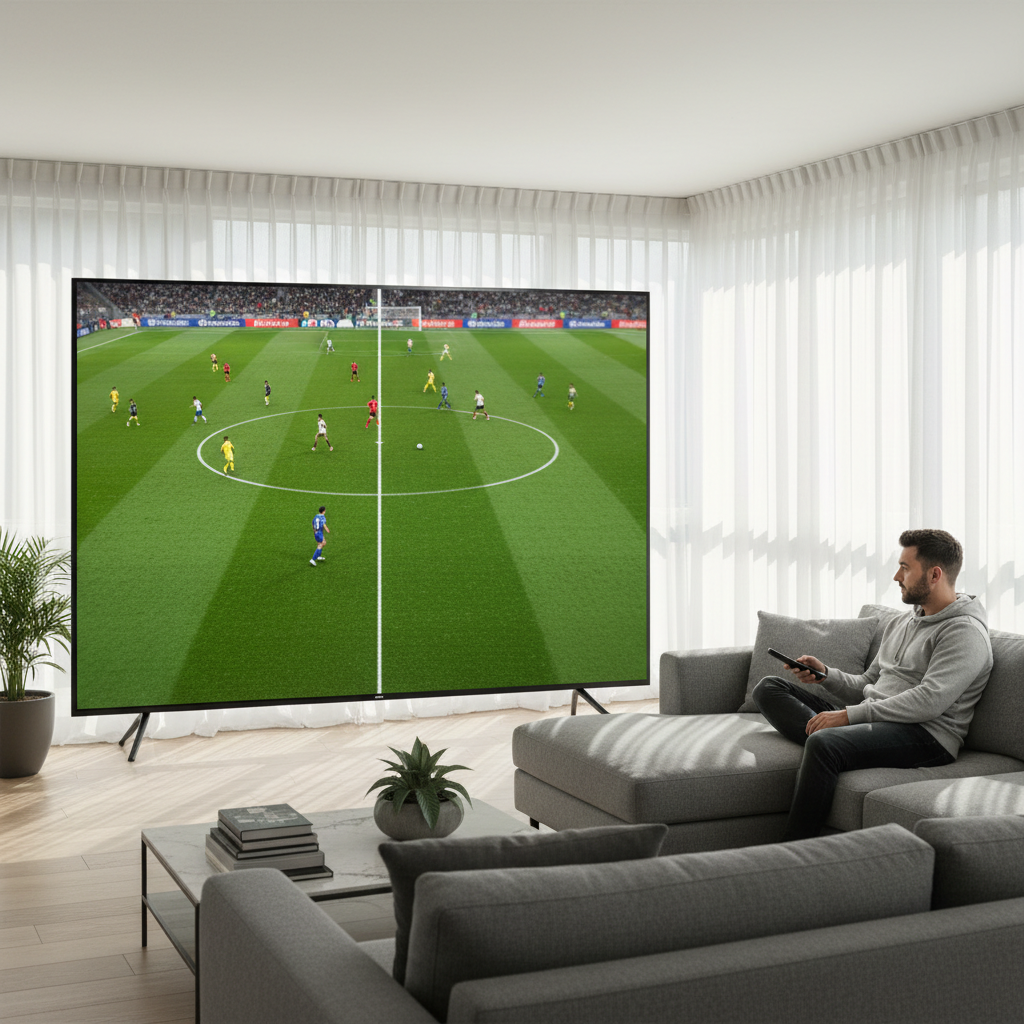
The buffering stigma is the biggest myth in cord cutting. VoxiCast runs antifreeze technology across dedicated server infrastructure, which keeps streams locked in even during high-traffic events, backed by a 99.9% uptime guarantee.
Cable’s weak spot is physical. One bad storm or a cut line and your signal is gone until a technician shows up. Your internet connection has no such single point of failure. In the iptv vs cable reliability debate, the gap has quietly closed.
Sports Coverage: Where IPTV Leaves Cable Behind
For sports fans, this isn’t even a close fight. Cable charges extra for almost every premium game, and blackouts cut you off from your own team. NFL Sunday Ticket, PPV boxing, UFC cards, cable and satellite treat these as add-ons you pay for separately, per event. Check the NFL’s official live-game access guide and you’ll see how many platform restrictions and out-of-market blackouts fans run into before they even watch a snap.
VoxiCast runs dedicated sports servers for Premier League, NFL, NBA, UFC, and PPV fights, zero blackouts, no market restrictions. Those servers are built specifically for peak-load moments, so the stream holds steady when half the country is watching the same game. With multiple connections on one plan, everyone in the house watches a different game at the same time.
Device Flexibility and Setup: IPTV Wins on Every Screen
Cable locks you into rented set-top boxes, typically $10–$20 per device each month, just to watch TV in different rooms. VoxiCast works on hardware you already own: your Smart TV, a $30 Firestick, even the phone in your pocket — with no rental fee on any of them.
TiviMate’s official Google Play listing confirms it’s a media player for Android TV where you simply add your own playlist, which is exactly how VoxiCast delivers your M3U link or Xtream Codes after signup. That delivery happens in about two minutes by email. No technician visit, no waiting on a hardware shipment.

Multi-connection plans let one, two, or three screens run simultaneously in your household. No contracts, so you can switch plans or cancel anytime, no equipment to return, no early-termination fees.
Cost Comparison: IPTV vs Cable TV in 2026
IPTV wins on price, and it’s not close. The average US cable TV bill runs $80–$120 a month in 2026, which adds up to $960–$1,440 a year before you’ve bought a single snack for movie night. Cable pricing is notoriously hard to compare because providers bundle internet and TV together to obscure what you’re actually paying for television. The FCC’s all-in pricing rule was designed to fix that, but promotional rates still expire quietly and fees still stack up.
VoxiCast starts at $24.99 for three months on one connection, or $49.99 for a full year. Two connections run $79.99 a year; three connections $109.99. No equipment rental, no installation fee, no cancellation penalty.
| Cost Factor | Cable TV | VoxiCast IPTV |
|---|---|---|
| Monthly estimate | $80–$120+ | From ~$8.33/mo |
| Hidden fees | Common | None |
| Contract required | Often | Never |
| Risk-free entry | Rarely | 24-hr trial + 10-day guarantee |
That table answers the is IPTV worth it question pretty directly. You can also test the service completely free before spending a dollar.
Is IPTV Legal and Safe? What You Need to Know Before Switching
IPTV as a technology is completely legal. It’s simply a method of delivering TV channels over the internet, the same way Netflix or Hulu works under the hood. What matters is whether the service you’re paying for holds the rights to what it streams.
VoxiCast is a premium paid subscription service. You sign up, you pay, and you get access, the same model as any other streaming platform you already use. The services to avoid are unlicensed free sources, which operate outside the law. Stick with a paid provider and you have nothing to worry about.
VoxiCast backs every subscription with a 10-day money-back guarantee and 24/7 customer support. Those are the marks of an accountable service. VPN use is also supported if you prefer extra privacy while streaming, your call, not a requirement.
Who Should Switch from Cable to IPTV? (And Who Might Want to Wait)
Most households paying over $100 a month for cable, with half those channels unwatched, are the clearest candidates for switching. Cord cutting is now mainstream: Leichtman Research Group’s pay-TV subscriber report found major U.S. providers lost around 5 million subscribers in a single year.
VoxiCast fits a few profiles especially well: sports fans tired of per-event PPV fees, expats who need international channels that cable doesn’t carry, and families who want simultaneous streams on multiple devices without paying extra for each one. Renters and frequent movers benefit too, no technician visit, no contract, no cancellation fee.
That said, if your broadband is unreliable or you’re in a rural area with slow speeds, cable may still be the steadier option. IPTV runs on your internet connection, so that foundation matters. Not sure if it’s right for your household? Test VoxiCast free for 24 hours before you cancel anything.
Frequently Asked Questions
Is IPTV better than cable TV?
For most people in 2026, yes. IPTV gives you more channels, more devices, lower cost, and on-demand content that cable can’t match at the same price. The one real requirement is a reliable broadband connection, without it, no streaming service performs at its best.
Is it legal to watch IPTV in the USA?
IPTV technology itself is completely legal. What matters is using a paid, legitimate subscription service. Subscribing to VoxiCast is no different legally than signing up for any other streaming platform, you pay, you get access, done.
What are the downsides of using IPTV?
Your internet connection is the main variable. Slow or unstable broadband can affect picture quality. VoxiCast addresses this with antifreeze technology and 99.9% uptime, which cuts buffering down dramatically compared to cheaper or free alternatives. The 10-day money-back guarantee and 24/7 support mean there’s a real safety net if something isn’t right.
What IPTV service has the most channels?
VoxiCast offers 40,000+ live channels with a full EPG guide, plus dedicated sports servers, international packages, and 54,000+ VOD movies and series. No standard cable package comes close to that volume, and cable charges significantly more for far less variety.
How much can I save by switching from cable to IPTV?
The average US cable bill runs $80–$120+ per month before equipment rental fees. VoxiCast plans start at $24.99 with no contracts, no installation costs, and no hidden charges. Most households save several hundred dollars a year by making the switch. The 24-hour free trial lets you test the service in full before you ever cancel your cable subscription.
What do I need to switch from cable to IPTV?
Two things: a broadband connection (25 Mbps or faster is recommended for HD and 4K) and a compatible device. Any mainstream streaming device or Smart TV qualifies — if it can run an IPTV player app, it works. After signup, your credentials (an M3U link plus Xtream Codes) hit your inbox within a couple of minutes. No technician visit, no waiting around.
Is IPTV worth it compared to keeping cable?
For cord-cutters, sports fans, expats, and anyone paying over $80 a month for cable, IPTV is almost always the better call. VoxiCast delivers more content, more flexibility, and stronger value with zero long-term commitment. Still have questions before you decide? Check out our honest answers to common IPTV questions for a deeper look at what to expect.
Final Thoughts
The iptv vs cable debate really isn’t close anymore. Cable locks you into long contracts, regional blackouts, and a bill that climbs every year. IPTV gives you more channels, more sports, and more flexibility for a fraction of the cost. For most cord-cutters, the switch pays for itself in the first month.
If you want the full picture before you decide, check out our guide to the best IPTV services in the USA for 2026 to see how VoxiCast stacks up across the board. And there’s zero reason to cancel cable before you’re sure, you can try IPTV free for 24 hours before committing and see exactly what you’re getting. No credit card pressure, no guesswork. Just live TV the way it should be.